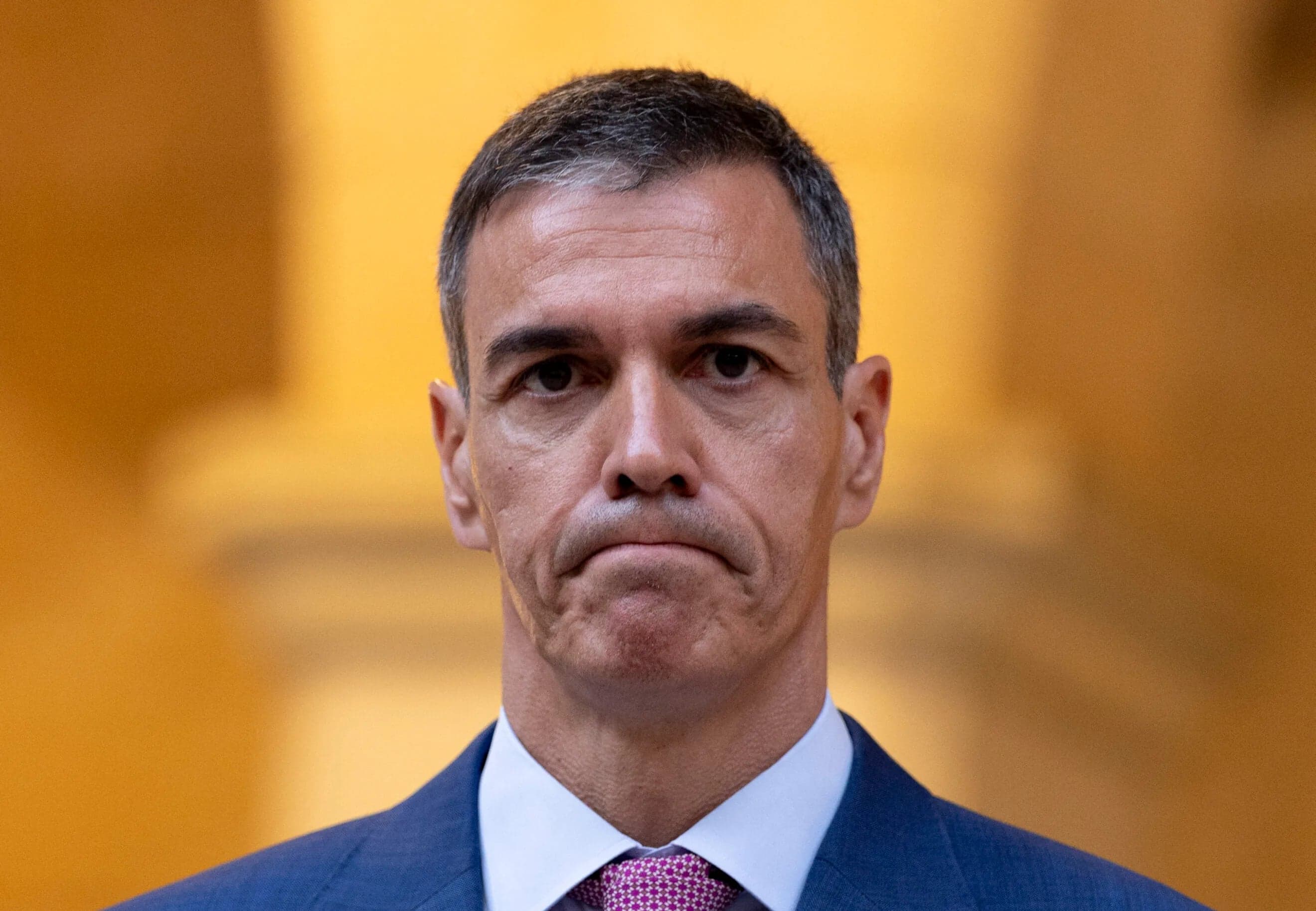
Pedro Sanchez has at most one year before Spanish law requires him to call a general election, a deadline that falls in 2027 at the end of the term that began after the July 2023 vote. The prime minister has insisted he will serve out his mandate and run again, describing it as a necessary response to the rise of the far right in Spain and across Europe.
The road to that election is complicated by the fragility of his governing coalition, after the Catalan party Junts broke its investiture agreement several weeks ago, leaving Sanchez heading a minority government that depends on case by case deals with other parties to pass its legislative agenda.
Adding to that parliamentary weakness is a string of corruption scandals that have touched his inner circle. Investigators link former PSOE organization secretary Santos Cerdan to at least 620,000 euros in kickbacks paid by construction firm Acciona through former minister Jose Luis Abalos, with promises of another 450,000 euros. At the same time, a judge has ordered Sanchez's wife, Begona Gomez, to stand trial on charges of embezzlement, influence peddling, corruption in business dealings and misappropriation of funds, and has demanded she surrender her passport. His brother, David Sanchez, is also under investigation.