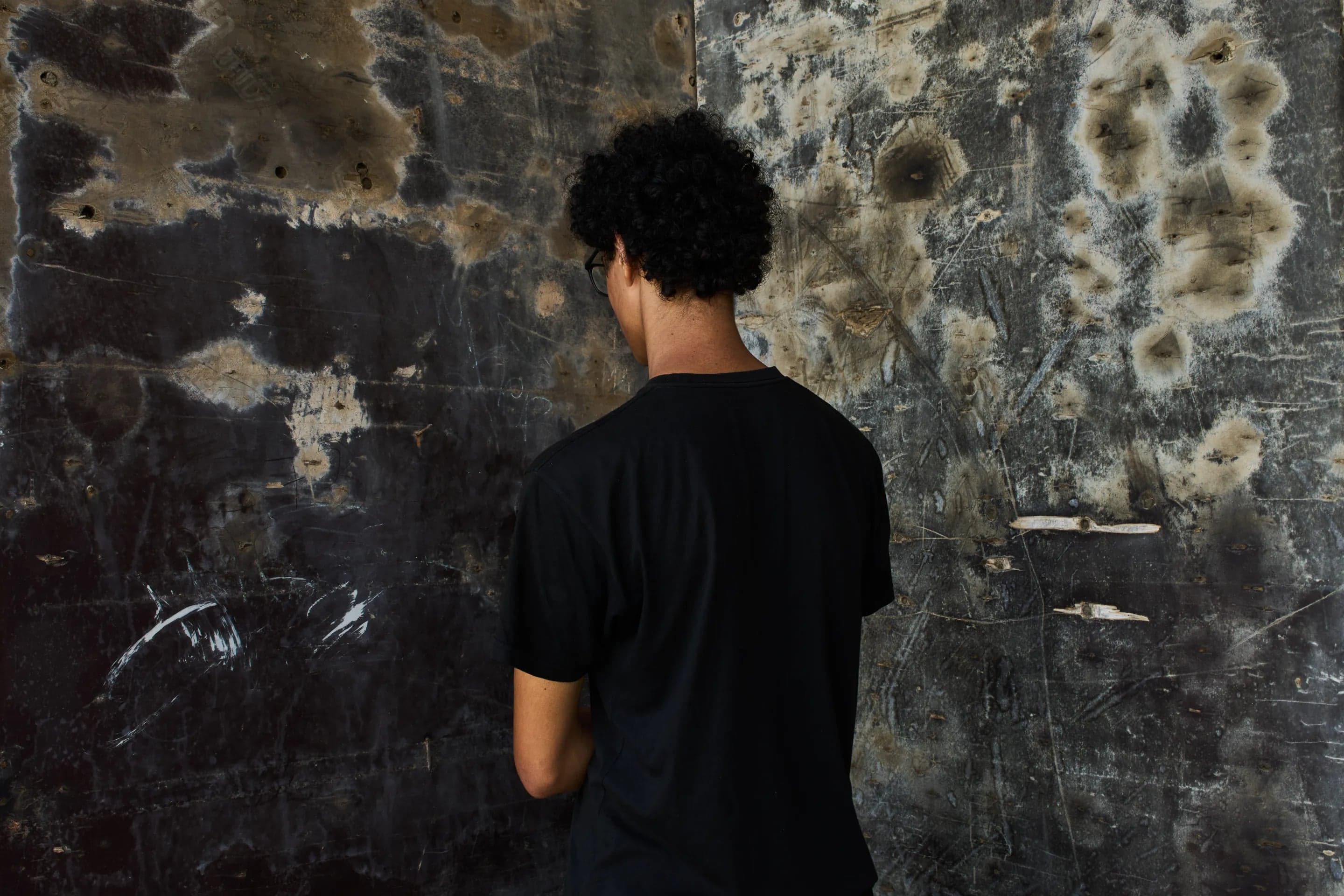
Two and a Half Months After the Crisis, Thousands of Ceuta Migrants Remain in Limbo
More than two months after the mass crossing in late July, thousands of adults and hundreds of unaccompanied minors remain in Spanish run centers, as Rabat and Madrid continue to clash over the pace of returns.
More than two and a half months after tens of thousands of people suddenly crossed into Ceuta from Morocco, many of them still do not know what will happen to them. The summer that produced images of overwhelmed beaches has given way to an autumn of waiting rooms, pending interviews and case files moving slowly through the courts.
The crisis broke out in late July, when between 60,000 and 70,000 people, most of them young Moroccan men, entered Spanish territory over the course of two or three days, a record figure that Spanish authorities linked to an unusual absence of Moroccan border patrols. Dozens of people died attempting the crossing, and several accounts suggested the episode may have been a show of pressure from Rabat toward Madrid, amid diplomatic tension over Spain's warming ties with Algeria on the Western Sahara dispute.
The scale of the crossing led the European Union's interior ministers to hold an emergency meeting on August 4, after Italy, backed by Finland and Denmark, called for Spain to be temporarily suspended from the Schengen area. The meeting ended without that suspension: the EU's migration commissioner, Magnus Brunner, voiced the bloc's full solidarity with Spain, and twenty two member states signed a joint letter demanding closer coordination on controlling the bloc's external borders.
According to the latest official tally, released in late September by Spain's territorial policy ministry, more than 7,000 people had returned to Morocco since August 10, through a mix of voluntary returns and expulsions. Even so, thousands of adults remained in state run facilities, and Ceuta had formally identified more than 2,300 unaccompanied minors, with several hundred more lacking recognized guardianship.
Spain's government maintains that the slow pace reflects legal safeguards that cannot be skipped: each person must be individually identified and interviewed, asylum claims are examined case by case, and returns follow judicial procedures handled by overburdened courts. For minors, the law requires an individual assessment of each case and prioritizes family reunification, which extends the timeline further and leaves hundreds of young people in limbo months after crossing the strait.
The delay has worn on relations between Rabat and Madrid, with each side blaming the other for the slow pace, while humanitarian organizations continue to call for a faster resolution for the minors who have spent months caught in administrative limbo.