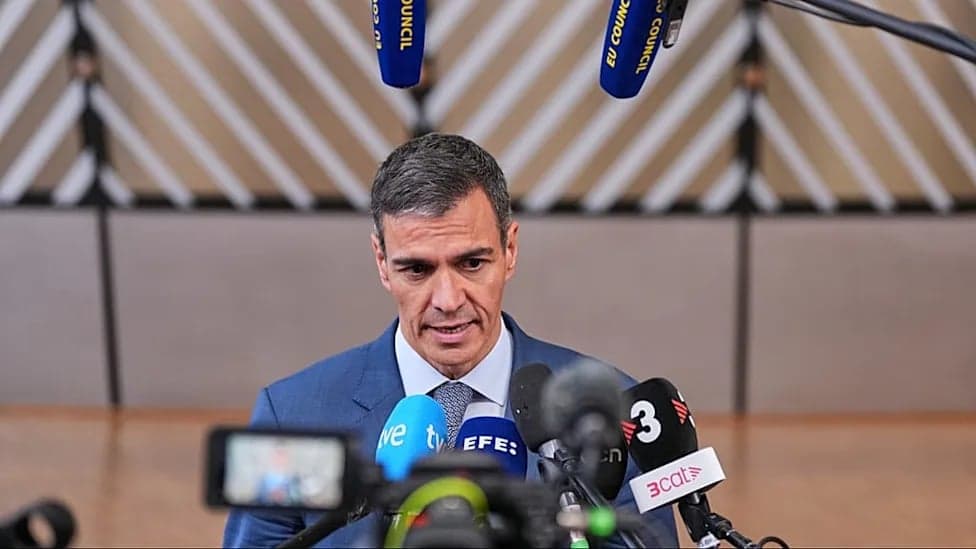
Pedro Sanchez convened an extraordinary meeting of the National Security Council at the Moncloa Palace to assess the situation in Ceuta and coordinate the government's response, almost four weeks after tens of thousands of people crossed the border from Morocco. The meeting came just ahead of the first Cabinet session after the summer recess.
Figures on what happened on July 30 and 31 still do not match across different authorities. The Interior Ministry puts the number of people who crossed the border at around 72,000, of whom roughly 70,000 have already returned to Morocco. Ceuta's government delegate, Miguel Angel Perez Triano, put the figure higher, saying more than 80,000 people had entered through the Tarajal border crossing.
Perez Triano acknowledged the city remains "very far" from returning to normal, with reception facilities still insufficient despite new centers opened in recent weeks. Pressure on local services has persisted weeks after the crisis first broke out.