Six months after the Trump administration launched its offensive of trade and financial sanctions against Iran, the stated goal of collapsing the regime's economy remains unfulfilled, according to an investigation published by El Pais English. The newspaper details how, despite the evident deterioration of living conditions for the Iranian population, the productive apparatus that sustains the Government in Tehran has managed to withstand the onslaught.
The US strategy relied on the idea that a severe financial blockade, combined with restrictions on oil exports and international transactions, would force the Iranian regime to cede ground or even bring about its collapse. However, according to El Pais English, alternative trade channels, especially through intermediaries in Asia and informal crude oil sales networks, have allowed Tehran to maintain a sufficient flow of income to sustain its essential structures.
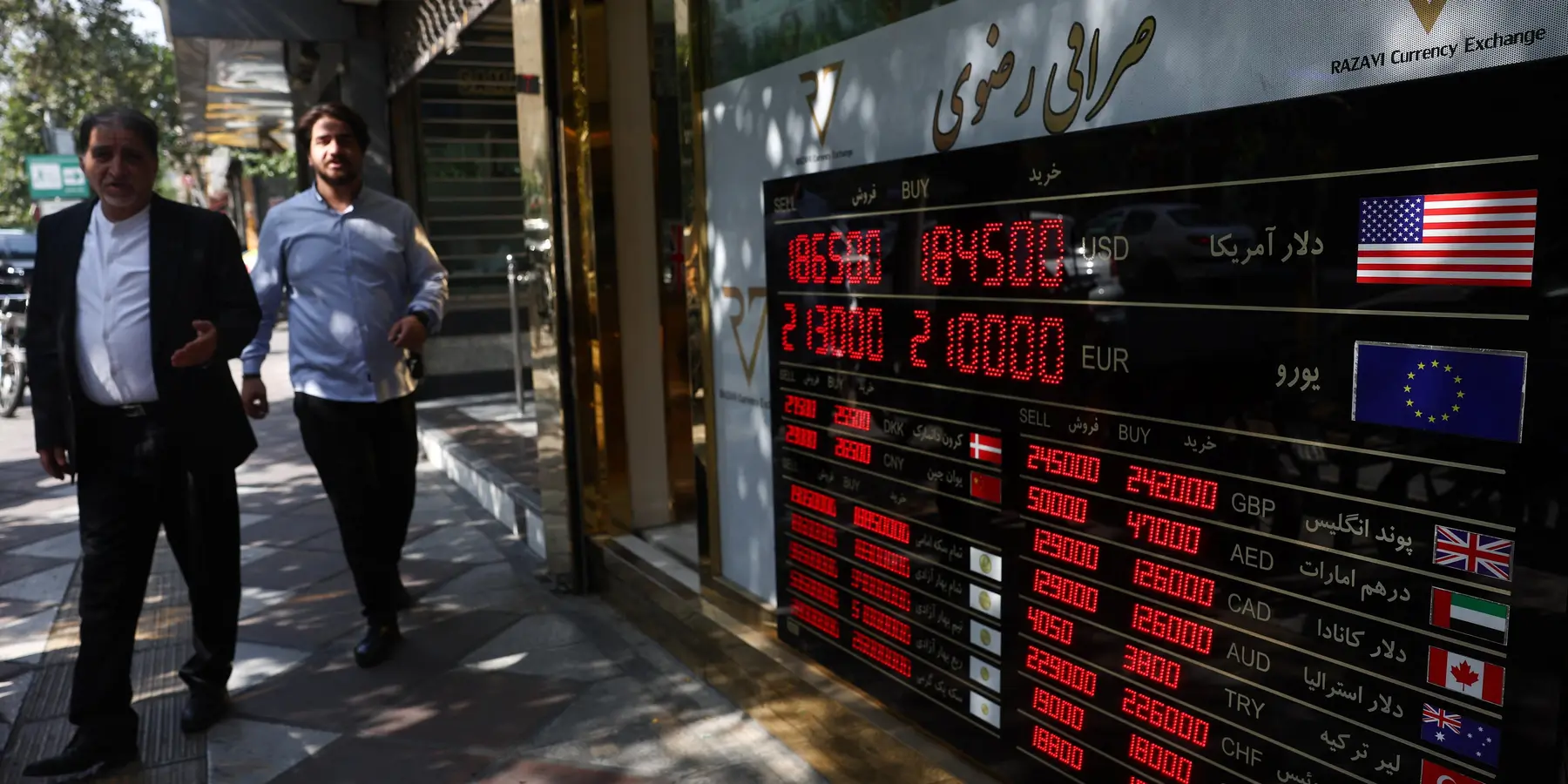
The report underscores a key distinction that has shaped the debate over the effectiveness of the sanctions: while the ruling leadership and its strategic sectors have managed to circumvent much of the restrictions, it is the civilian population that has absorbed the greatest cost. Inflation, shortages of basic goods and the devaluation of the national currency have hit Iranian households hard, aggravating a social crisis that had already been dragging on for years of economic tension before the conflict.
Analysts cited by El Pais English note that this pattern is not new in the history of international sanctions against Iran. For more than a decade, Tehran has developed adaptation mechanisms, from the use of cryptocurrencies and alternative currencies to bilateral agreements with countries like China and Russia, which have allowed it to diversify its sources of income and reduce its dependence on the Western financial system.
The war, which has now dragged on for six months, has added an additional dimension to the economic pressure. The newspaper explains that Washington was counting on the wartime attrition, combined with financial isolation, to accelerate the regime's collapse. However, the combination of both fronts has not produced the expected domino effect, and the Iranian Government has managed to maintain control over key sectors such as energy, the petrochemical industry and part of its agricultural production.
One of the elements most highlighted in the investigation is the role of the so called "ghost fleets," vessels that operate under flags of convenience and transport Iranian oil while evading international controls. This mechanism, already used by other sanctioned countries such as Venezuela or Russia, has become a fundamental tool for Tehran to keep placing its crude in international markets despite the formal prohibitions imposed by the United States and its allies.
El Pais English also gathers testimonies that reflect the human impact of the crisis. Iranian families face growing difficulties in accessing medicines, imported food and basic necessities, in a context where the national currency has lost much of its value against the dollar since the start of the conflict. This situation has generated social discontent that, however, has not so far translated into a direct threat to the regime's stability.
From a geopolitical standpoint, the relative failure of the economic strangulation strategy raises questions about the future of US policy toward Iran. Washington faces the dilemma of further intensifying sanctions, with the risk of deepening civilian suffering without achieving clear political results, or exploring alternative paths that could include diplomatic negotiations, something the Trump administration has so far publicly ruled out.
The international community is closely watching the evolution of this economic and military standoff, which has direct implications for the stability of the Middle East and for global energy markets. Any further escalation of the conflict could affect oil prices and generate new tensions along trade routes in the Persian Gulf, a strategic region for the world's energy supply.
For now, the conclusion drawn from the El Pais English analysis is clear: US economic pressure has managed to inflict considerable damage on Iran's economy and, above all, on its population, but it has not achieved the political goal of decisively weakening the regime or forcing a change in its stance toward Washington. Six months after the war began, Tehran is still standing, although at an increasingly visible human cost.