
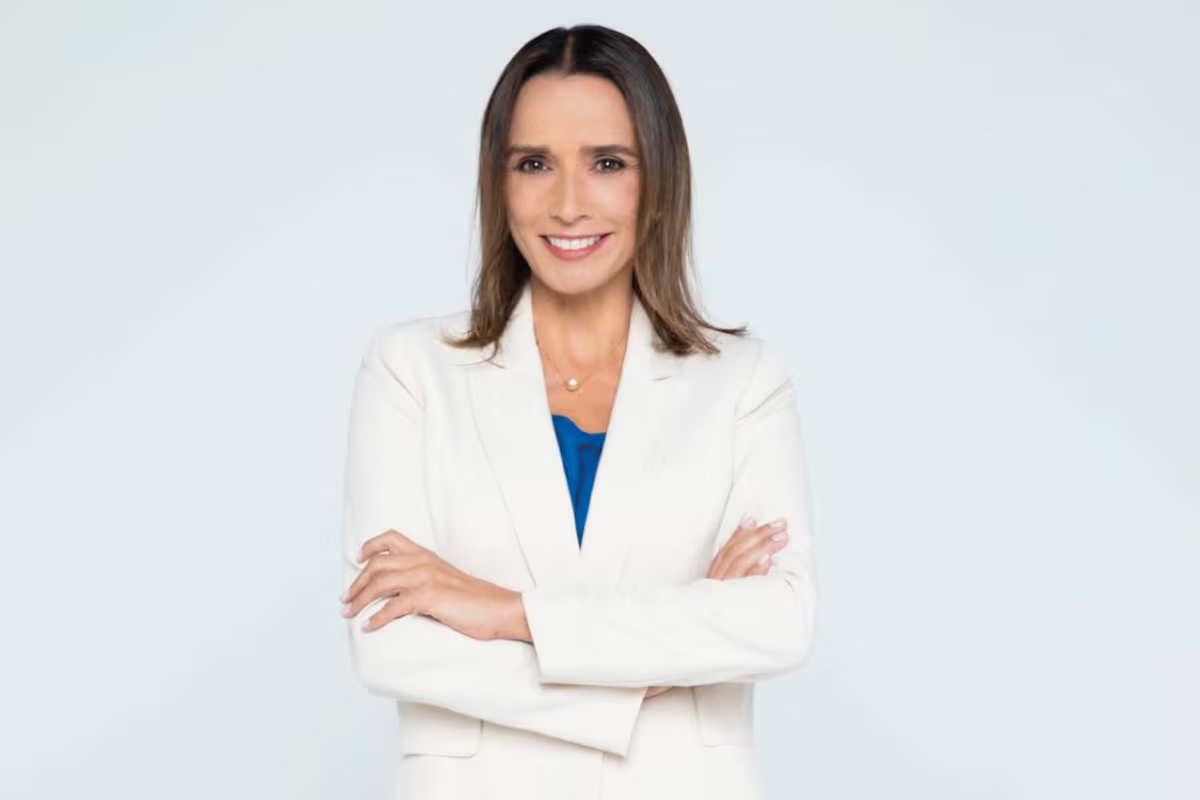
Colombian President De la Espriella has selected María Consuelo Araújo to serve as the country's next ambassador to the United States, a posting the president himself has identified as the most consequential of his diplomatic corps, according to El Pais English. The choice signals an effort by Bogotá to stabilize and deepen its relationship with Washington at a moment when ties between the two governments have been tested by shifting political currents on both sides.
Araújo is a familiar name in Colombian public life. She previously held senior cabinet posts, including a stint leading the country's foreign ministry, giving her direct experience navigating the machinery of international diplomacy and the personalities that shape it. That background is widely seen as the rationale behind her nomination: De la Espriella is said to be looking for someone who can operate comfortably in Washington's political and bureaucratic circles from day one, without a lengthy learning curve.
The embassy in Washington carries outsized weight compared to Colombia's other diplomatic posts. The United States remains Colombia's most important trading partner, a major source of security cooperation, and a central player in matters ranging from counternarcotics policy to migration. Any Colombian administration depends heavily on maintaining a functional, if not warm, relationship with whoever occupies the White House, and El Pais English notes that this particular assignment is the one De la Espriella is personally most invested in.
Much of that investment appears tied to the president's ambition to build a workable rapport with Donald Trump. Trump's approach to Latin America during his time in office has often been transactional and unpredictable, with trade threats, immigration enforcement, and drug policy frequently used as leverage in dealings with regional governments. For a Colombian leader hoping to avoid friction with Washington, having an experienced and politically savvy figure in the ambassador's chair is viewed as a practical necessity rather than a symbolic gesture.
Araújo's appointment also reflects a broader pattern in how De la Espriella has approached diplomatic staffing. Rather than relying solely on career diplomats, the president has shown a preference for placing trusted political figures with prior governing experience in the posts he considers most sensitive. The Washington embassy, given its centrality to Colombia's economic and security interests, fits squarely into that category.
The relationship between Bogotá and Washington has not always been smooth in recent years. Disagreements over coca cultivation policy, extradition cases, and the pace of security cooperation have periodically strained what is otherwise described as a close alliance. Colombian officials have also had to manage the reality that US administrations change priorities from one presidency to the next, forcing embassies to recalibrate their strategies depending on who holds power in Washington.