
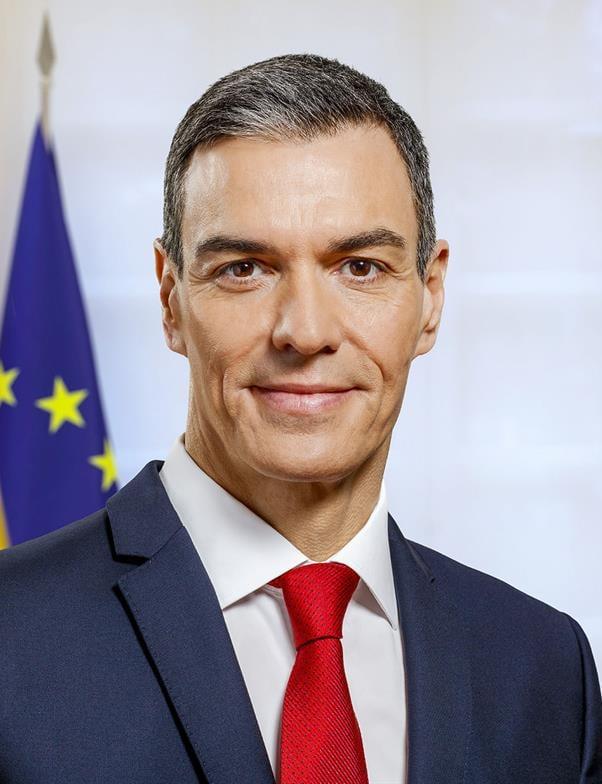
Pedro Sanchez is facing one of the most delicate moments of his long tenure as Spain's prime minister. With a general election approaching, the Socialist leader is trying to stay afloat amid corruption scandals touching his inner circle, a term marked by the controversial amnesty law, and a televised debate in which his conservative rival put him on the defensive.
For years, Sanchez has shown a remarkable capacity for political survival. He has weathered no-confidence votes, government crises and internal divisions. Yet the accumulation of problems during this term has eroded his image and fed the sense that his room to maneuver is shrinking as voting day nears.
A campaign under pressure
The election campaign has centered on issues that weigh on the Socialist government. Housing costs, immigration management, last month's train crash and judicial investigations affecting people close to the prime minister have dominated public debate.
In the only televised head-to-head debate with People's Party leader Alberto Nunez Feijoo, Sanchez admitted some mistakes but defended his overall record. Feijoo, meanwhile, attacked what he described as a worn-out government and proposed a change of course based on tax cuts and tighter public spending.
The amnesty and the price of governability
One of the most contentious episodes of the term was the approval of an amnesty law for those involved in Catalonia's 2017 independence push. The measure allowed Sanchez to keep the parliamentary support of Catalan nationalist parties, but it triggered a strong backlash from the opposition and a significant slice of public opinion.