
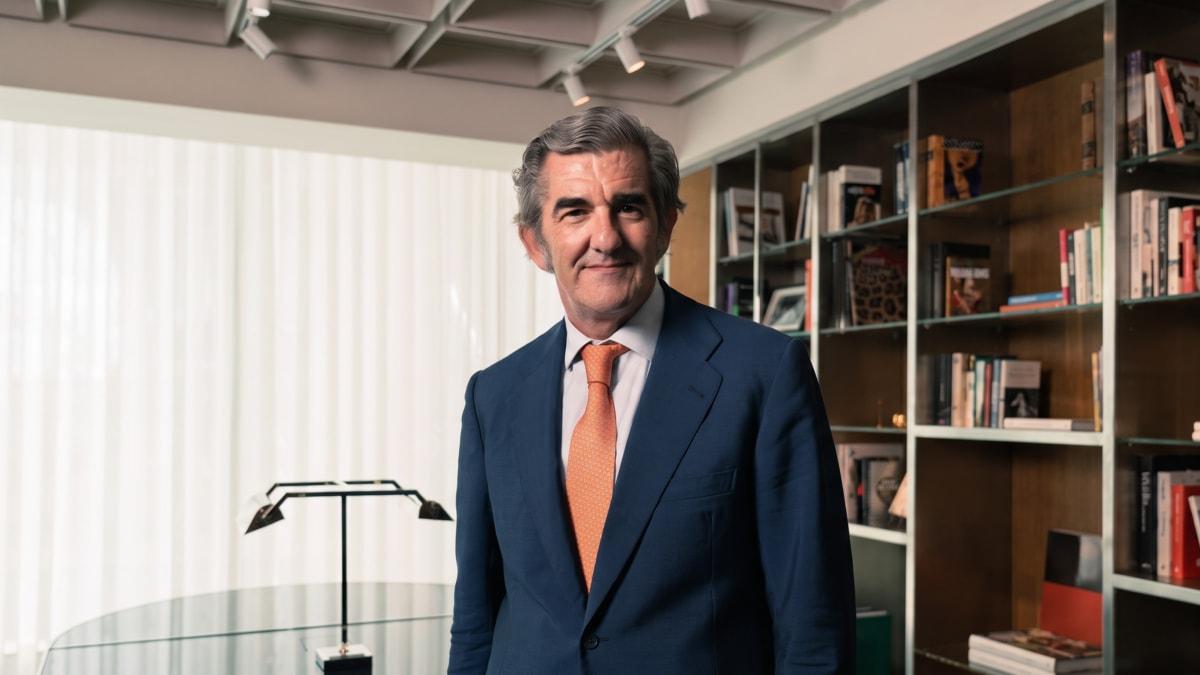
Juan Abarca has spent nearly three decades turning HM Hospitales from a family clinic founded by his parents in 1989 into one of Spain's largest private hospital groups. As president since 2016, alongside his brother Alejandro as chief executive and his sister Elena as vice president, he runs 25 hospitals and 15 polyclinics across Madrid, Catalonia, Galicia, Castilla y León and Andalusia as if they were a single hospital.
The model is unusual for the sector. HM has no hospital managers; the medical director is the highest authority and can make patient decisions regardless of cost. Management is centralized, and the family-owned group reinvests close to 90 percent of its profit, keeping private equity funds at bay for now. In 2025 revenue reached 806 million euros, and with the integration of Grup Creu Groga in the Maresme plus newer hospitals ramping up, Abarca expects about 900 million euros in 2026, an 11.6 percent increase that is more than double the sector's pace.
Abarca's bigger bet is on what he calls hyper-early prevention and personalized care. Spain's public system, he argues, only screens for breast, colon and cervical cancer. He wants risk tailored to the patient: a low-dose CT scan for lifelong smokers, a calcium score for those with heart disease in the family. The only way for the state to afford that level of innovation, he says, is through co-payments, with those who can pay more doing so so that those who cannot still have access.
He is frank about the public-private divide. Private hospitals are not an alternative to the public system but a complement, he says, and private operators have an interest in a strong public sector. What frustrates him is ideological resistance that defends public healthcare without demanding it improve, while patients wait months for diagnoses.
Spain, Abarca believes, is missing an industrial opportunity. It has some of the best private healthcare in Europe precisely because it is lightly regulated: a single authorization can cover everything from a delivery to a clinical trial, something impossible in France, where private hospitals cannot conduct research. He thinks Madrid should promote healthcare as an export and employment engine, the way Turkey and Germany do.