
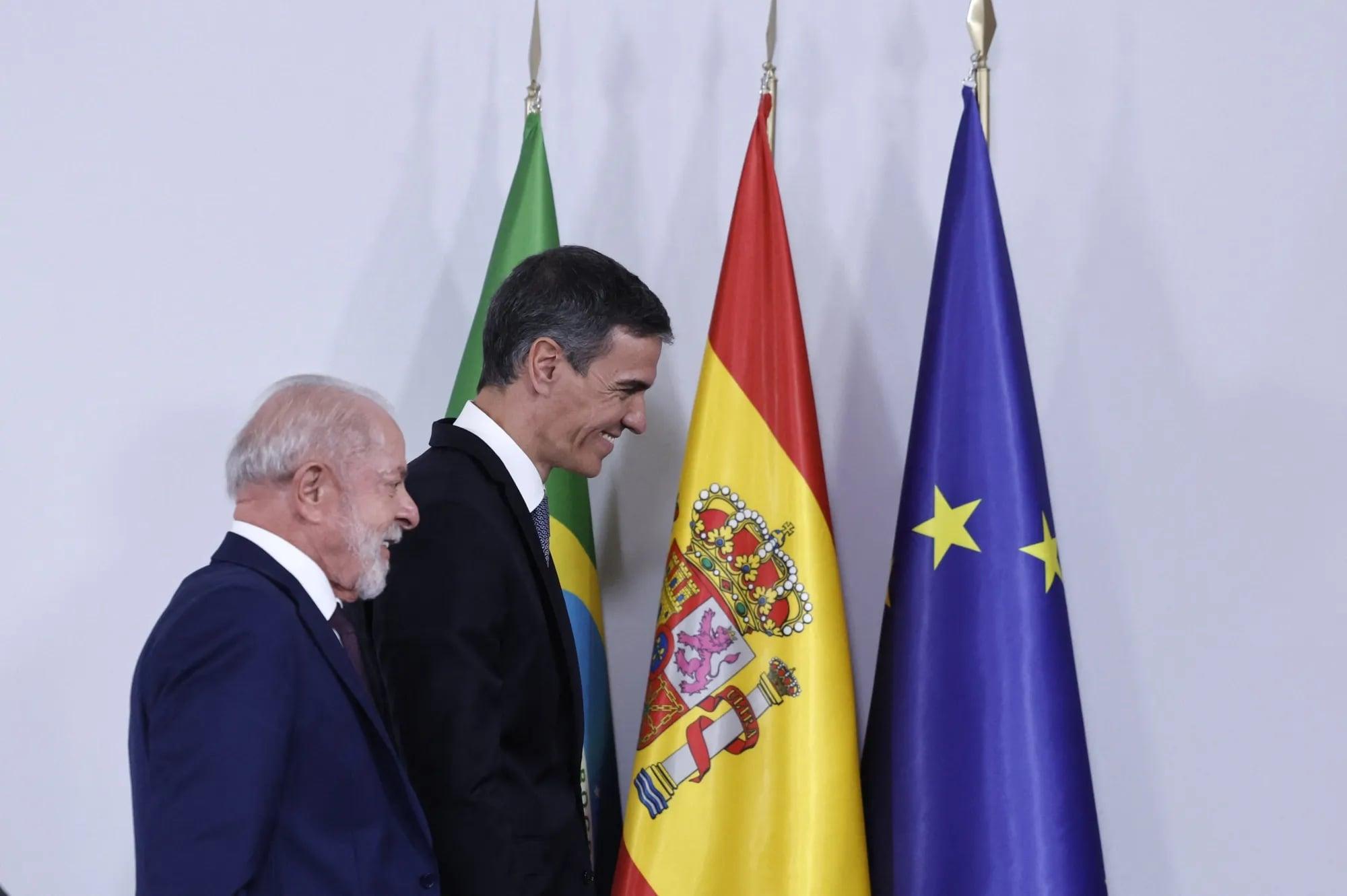
The fiercest rivalry in Latin American politics has found a new stage. The contest between Argentine President Javier Milei and Brazilian leader Luiz Inácio Lula da Silva, until now confined to debates on the continent, has crossed the Atlantic to influence Spain's election at the end of the month.
At stake is the future of Pedro Sánchez, one of the last Socialist leaders governing in Europe. The leader of the Spanish Socialist Workers' Party has been in power for almost a decade and has survived multiple political crises. Now he faces an election that could decide whether he achieves a comeback comparable to the one Lula staged in Brazil last month, or whether his time in government is coming to an end.
An imported war of ideologies
Milei and Lula represent two opposing visions of the state, the economy, and Latin America's role in the world. The Argentine president defends a libertarian model of tax cuts, privatizations, and drastic reductions in public spending. Lula, meanwhile, embodies a progressive tradition of state intervention, expansive social policies, and defense of regional integration.
That confrontation has now moved to Spain, where both leaders have entered the campaign indirectly. Their positions influence the messages of Spanish parties and the international perception of an election that has become a referendum on European socialism.
Lula backs the Sánchez project
Lula's presence in the Spanish debate benefits the progressive side. The Brazilian, who achieved his own electoral comeback in 2022 and has demonstrated his ability to withstand political pressure, has become a symbolic reference point for Sánchez. Spanish Socialists can present Lula as proof that a left-wing leader can overcome disaffection and win again.
The connection between the two is not only ideological. Sánchez and Lula share a commitment to strengthening relations between Europe and Latin America, to a just ecological transition, and to active multilateralism in international forums.