
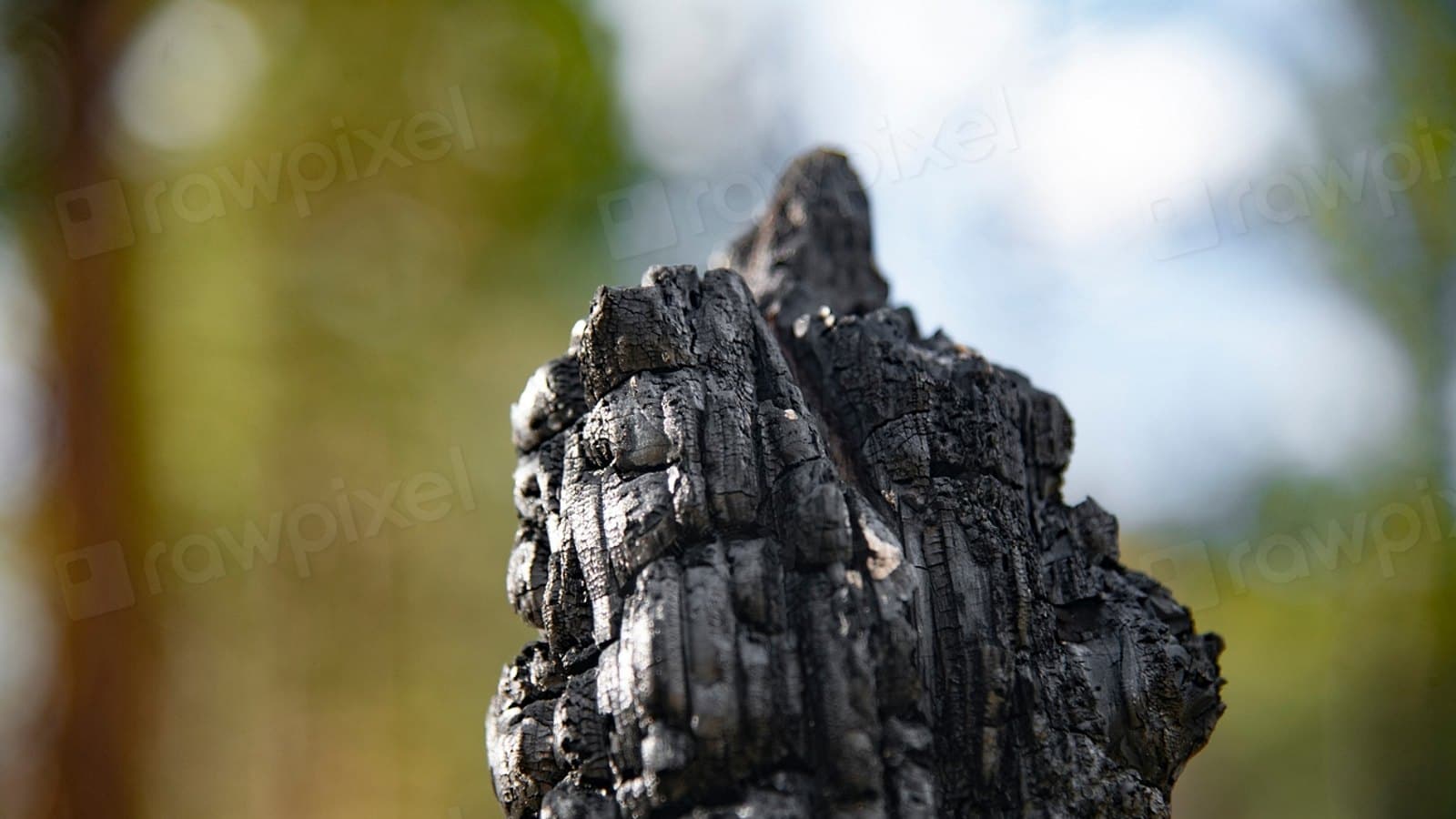
More than 63,000 people in Spain have been evacuated or confined during this fire season, with roughly 260,000 affected across Spain and France combined. The fire in Castellon remains out of control after burning close to 25,000 acres and forcing more than 10,000 people from their homes. Around ten fires were active across the country at the time of reporting.
The conditions behind it are documented rather than inferred. June was Spain's second hottest since records began in 1961, with the mainland averaging 23.3 degrees, some 3.2 degrees above normal. Lleida reached 42.9 degrees. Rainfall averaged 12.4 millimetres for the month, which is 39 percent of normal and the third driest June on record.
Heat and drought together do something that neither does alone. Dry fuel ignites more easily, and hot dry air with wind behind it moves a fire faster than crews can cut line in front of it. Attribution work on this season has found that climate change made the combination of those drivers significantly more likely.
The operational consequence is a longer calendar. Forecasters expect the danger period to run past its usual summer peak, which changes what a fire service has to be resourced for. Seasonal crews hired for July and August do not cover a hazard that starts in June and is still live in October, and the equipment and aircraft are contracted on the same assumption.
The economic reading is uncomfortable because the losses are diffuse. Evacuation zones stop production and stop deliveries, insurance renewals reprice a hazard the historical models understate, and land that burns twice in a decade stops being farmed. None of it appears as a single large number, and all of it appears in the accounts.