
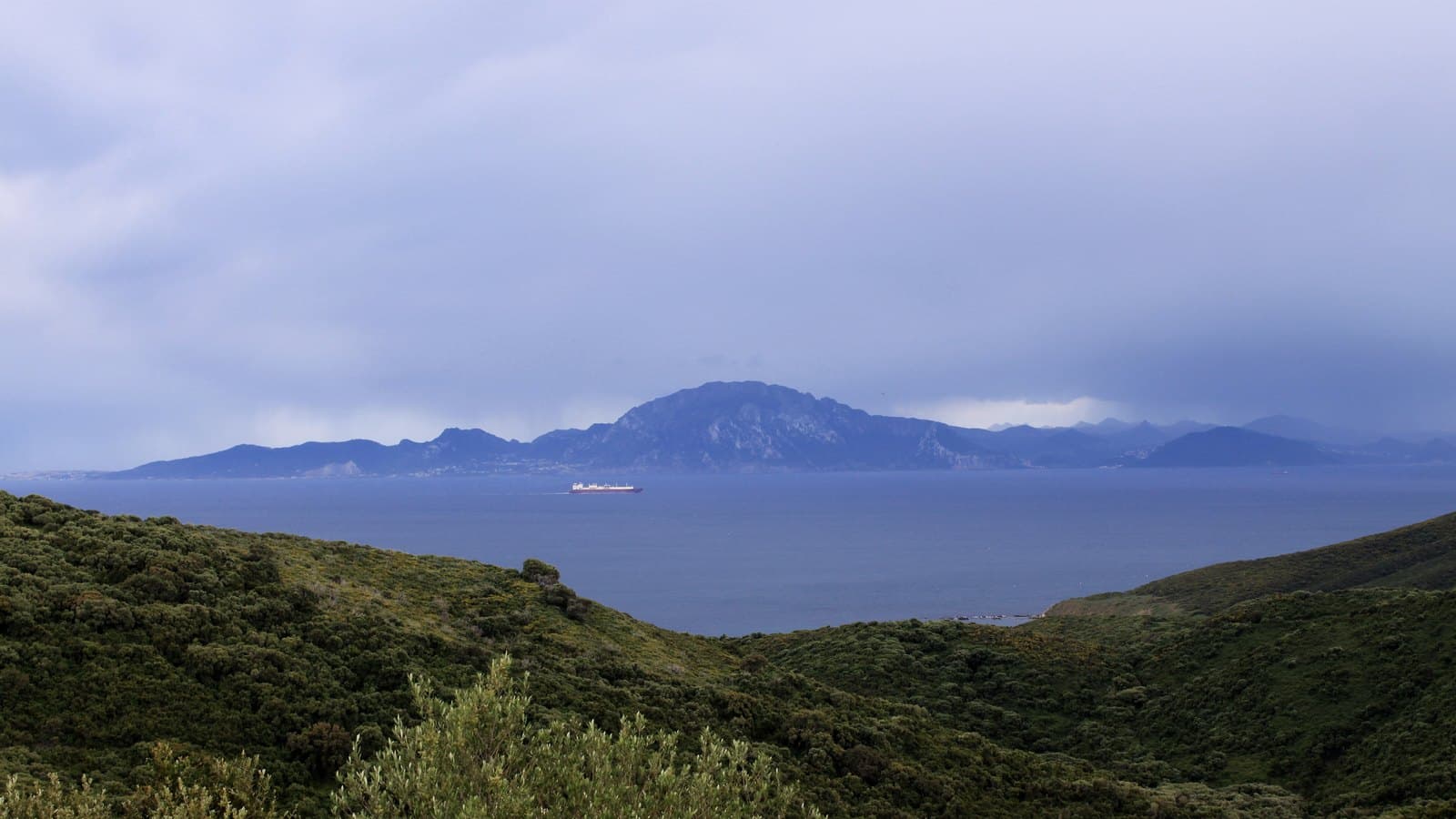
Spanish officials have begun installing a floating containment barrier in the water near the Tarajal breakwater in Ceuta, in order to comply with a Supreme Court ruling handed down in July. The barrier is a physical response to a legal instruction, and its appearance days after a mass crossing gives it a second meaning it was not designed to carry.
The sequence is worth stating plainly. A court ruled in July. The government says traffickers spread a self serving reading of that ruling, which contributed to tens of thousands of people attempting the crossing. The government is now implementing the ruling by putting a barrier in the sea. The same judicial decision sits at both ends of the chain.
A floating barrier at a maritime border is a modest piece of infrastructure with an outsized symbolic weight. It does not stop a determined crossing so much as slow and channel one, which is what makes it useful to a rescue operation and also what makes it easy to characterise as a wall in the water.
The legal position matters because Tarajal has a history. Border operations at this specific location have produced litigation before, and the courts have been willing to constrain what the state may do at a maritime frontier. Compliance is not optional and the form of compliance is contested.
What has not been resolved is the underlying policy question. A barrier changes the physical conditions of a crossing. It does not change the reasons people attempt one, and nothing in the past week has produced an answer to that from any side of the argument.