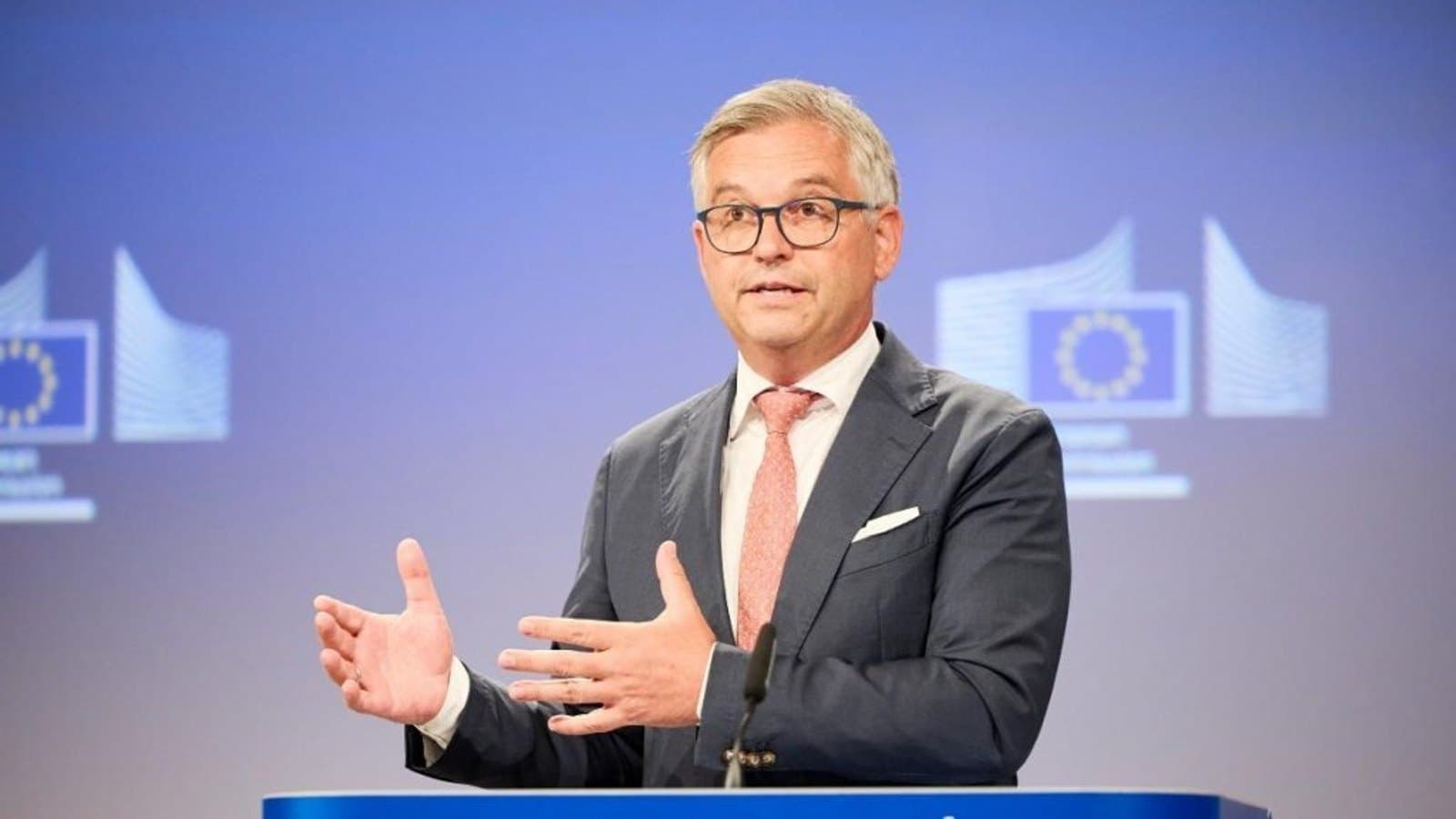
European interior ministers met in emergency session on Tuesday and gave Spain the thing it had been denied over the previous weekend, which was a united front. Magnus Brunner, the migration commissioner, said Europe had definitely passed this test, and attributed part of the crisis to organised crime and to what he called disinformation spread by smugglers and traffickers.
The figures have moved since the first reports. Around 72,000 people are now put as having crossed into Ceuta over several days, and about 75 as having died, both higher than the counts given while the crossings were still under way. Morocco has rejected responsibility, arguing Spain should have anticipated the consequences of a court ruling on maritime barriers.
What the meeting produced was agreement rather than resources. Ministers backed better intelligence sharing between member states, stronger early warning systems, expanded monitoring of social media to detect a surge before it forms, and closer cooperation with countries outside the union. Italy pressed for new hub models for processing asylum claims outside the EU, and Denmark asked for more spending on border security. No funding was committed, no Frontex deployment was announced, and no legislation was tabled. The Commission said it would assess the causes in more detail and come back with possible measures in September.
The more revealing exchanges were about the weekend rather than the border. France's interior minister, Laurent Nunez, said the divisions heard over the previous days had not been welcome and had been exploited by foreign countries, which is as close as a minister comes to saying that Rome's threat to suspend Schengen with Spain did more damage in Moscow and Rabat than in Madrid. Italy had in fact suspended its Schengen arrangements with Spain temporarily.
Spain took the outcome as vindication. Fernando Grande-Marlaska, the interior minister, called the meeting entirely constructive and said Spain had come out looking like a strong and reliable partner. Ireland's justice minister, Jim O'Callaghan, who chaired it, put the principle plainly: the external borders are a shared responsibility and migration requires a united European response.
That principle is the one Madrid has argued for years, and hearing it from the chair after a week of being threatened with exclusion is a real shift. It is also, for now, a sentence rather than a budget line. September is when we find out which it was.