
A magnitude five earthquake shook Granada shortly after one in the morning, centered in the nearby town of Alhendin, about ten kilometers south of the city. Despite the size of the tremor, officials reported no injuries, though the damage it left behind was visible enough to fill Spanish television screens for the rest of the day.
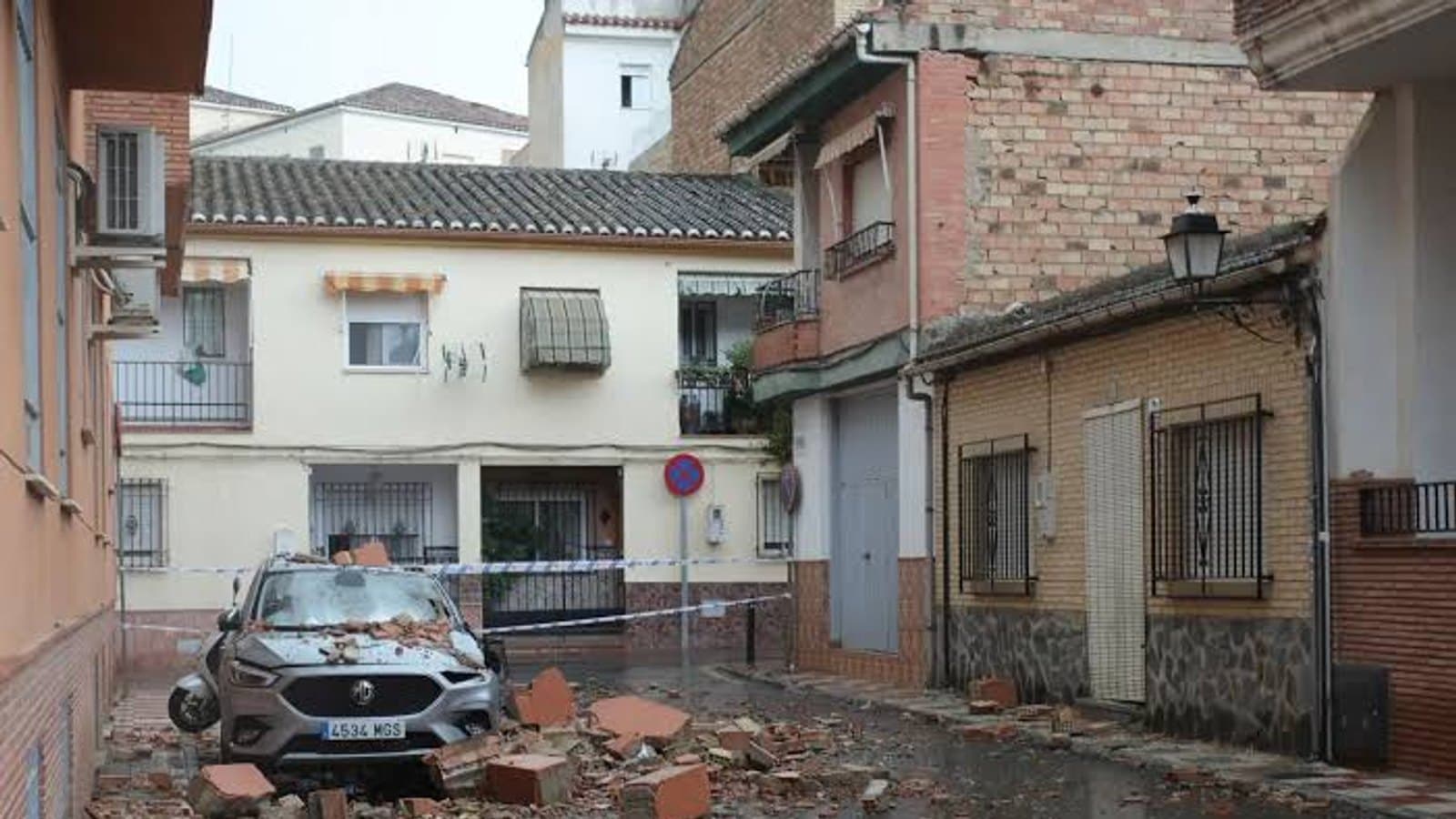
Granada's mayor, Marifran Carazo, said no casualties or serious, widespread structural damage had been reported, and that isolated damage was being assessed, particularly in older or more vulnerable buildings. Images from the affected streets showed exactly that kind of isolated damage: cracked facades, fallen ledges and rubble, and cars parked outside buildings buried under broken roof tiles and brick.
The quake was felt well beyond Granada itself. Andalusia's emergency services logged more than 200 calls from across the region, including from Seville, Cordoba and beach resorts along the Costa del Sol, and rescued a number of people from buildings that had sustained damage. Authorities declared an emergency in response and advised residents to stay away from facades, ledges, balconies and freestanding walls until inspections could confirm what was actually safe.
A magnitude five earthquake is rare for this part of Spain, and Granada carries more than the usual stakes when the ground moves: the city is home to the Alhambra, the UNESCO listed palace complex that draws millions of visitors a year. No damage to the monument itself has been reported, but the earthquake was a reminder that a region best known for its architecture sits on ground that can still move without much warning.