Italy has pushed back directly on the idea that its border checks on travelers from Spain are a political move, insisting instead that the measure is a security response with intelligence behind it. Interior minister Matteo Piantedosi made the case on an emergency call of EU interior ministers, telling counterparts that the checks are in no way directed against Spain or any other partner, and describing them instead as a precautionary and organizational step to protect national security.
Foreign minister Antonio Tajani took the same line publicly, saying the current situation does not allow Italy to relax controls, and pointing specifically to the possibility of terrorist threats and the risk of further irregular entries. Behind that language sits an actual document: Italian officials have said the decision rests on an intelligence report pointing to a concrete risk of jihadist terrorism connected to the situation in Ceuta.
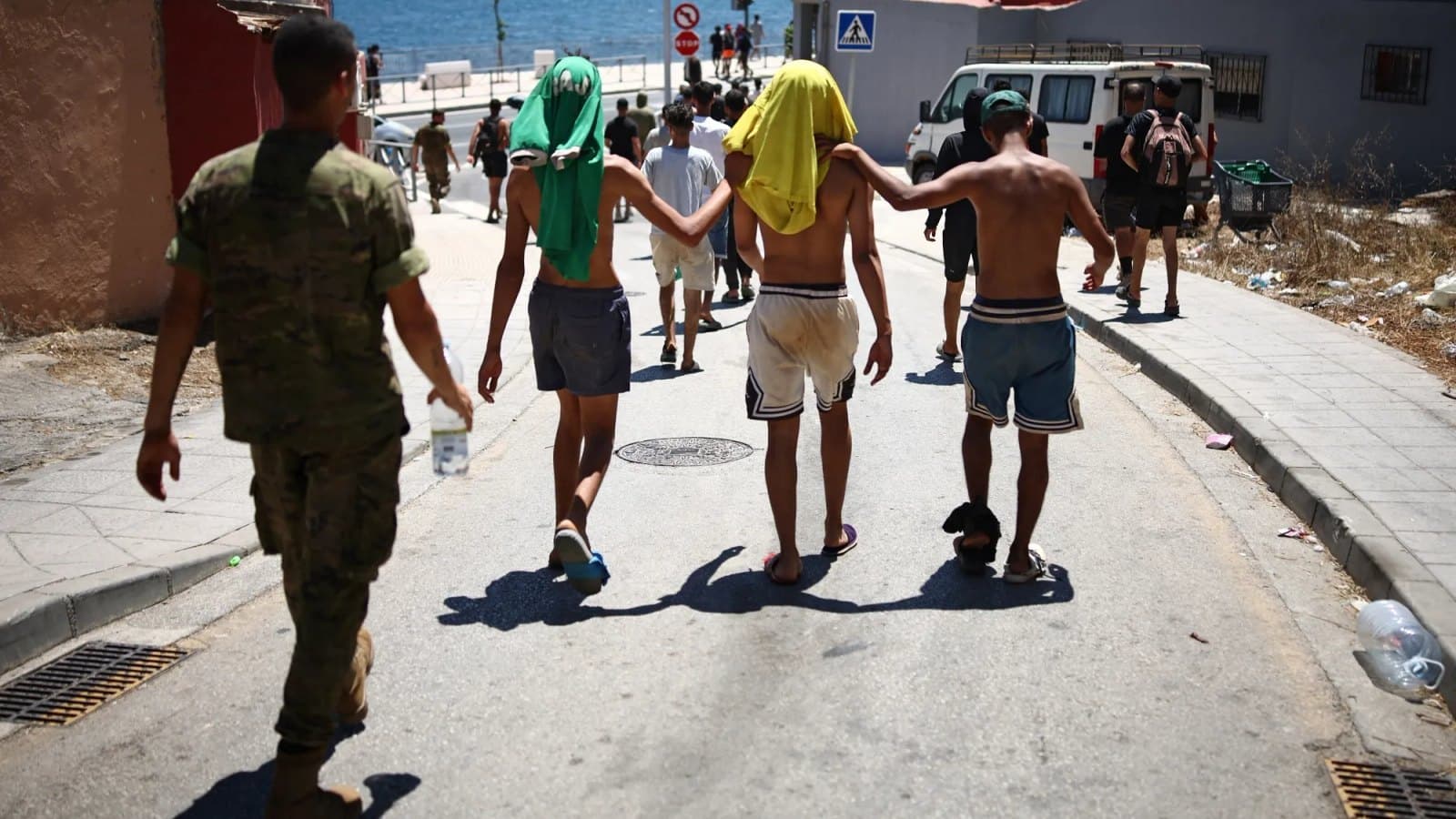
The timing detail Piantedosi gave is more specific than the general security language around it. He said the checks would run at least until August 15, and that the date was chosen after Spanish intelligence itself flagged a new alert over another potential mass crossing attempt at Ceuta, meaning Italy is pointing partly to Spain's own warnings to justify checking Spanish travelers.
What Italy has not offered is a clear threshold for when the checks end. The stated condition, that officials be certain there is no security or terrorism risk to Italy, no new wave forming, and no irregular migrants heading toward European territory, is broad enough to be met on August 16 or not met for months, and Rome has not said which officials make that call or what evidence would satisfy it. Spain, for its part, has continued to describe the checks as unfair, contrary to the interests of the European Union, and discriminatory against the Spanish population, a characterization that treats the security framing as cover rather than the actual reason.