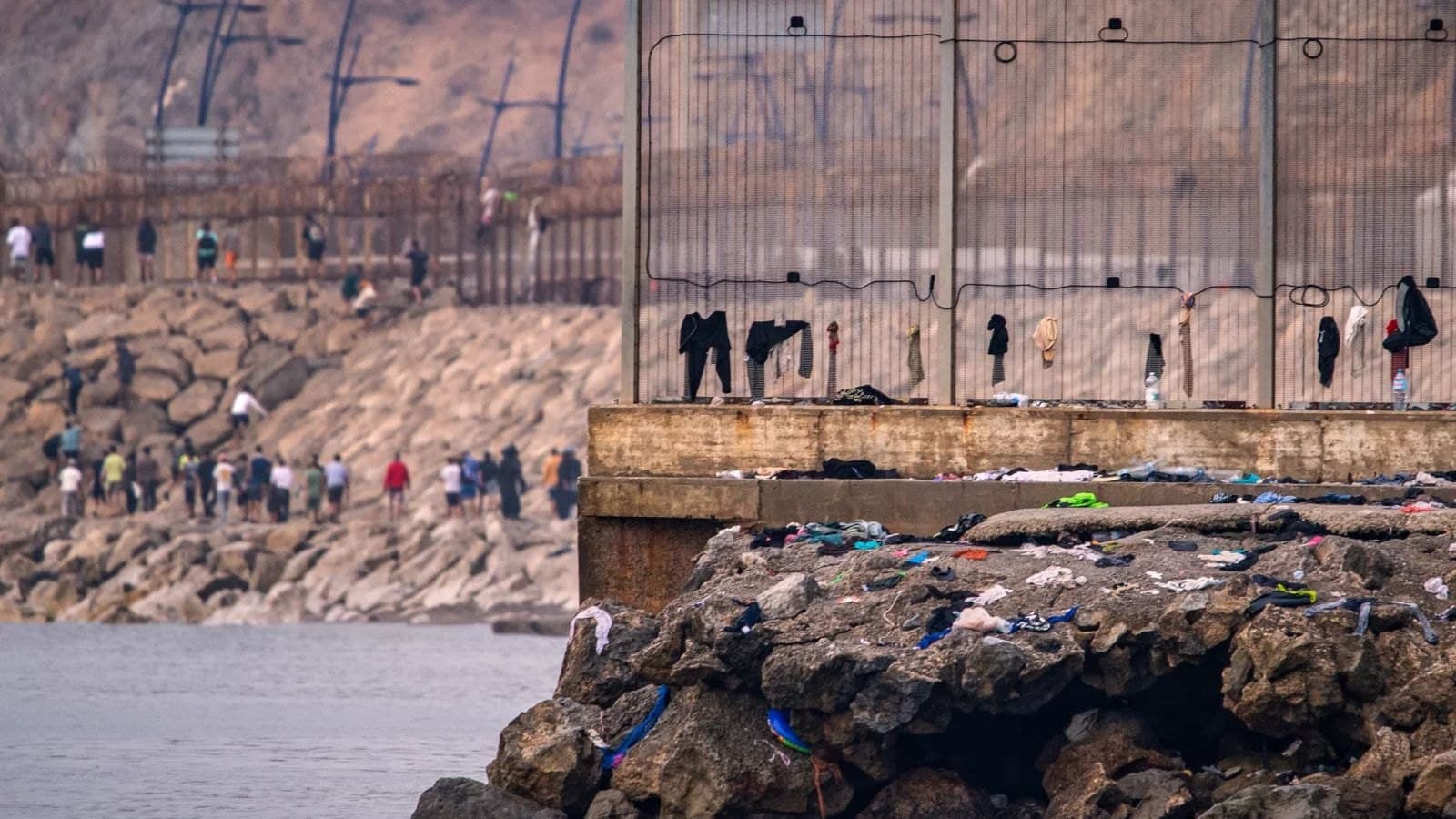
Italy is holding firm on the border checks it imposed on travelers from Spain, with prime minister Giorgia Meloni's government saying it will not lift them before August 15 at the earliest. Rome introduced the checks on July 30, after roughly 72,000 people crossed into the Spanish enclave of Ceuta in a matter of weeks, an influx that killed at least 100 migrants and asylum seekers on the way and has left around 1,342 children still inside the enclave, more than 100 of them unaccompanied.
Meloni described the checks as an extraordinary measure meant to safeguard national security and head off possible repercussions for Italy. Spain's government called that reasoning out of date within days, saying that by August 1 the Ceuta border was already back under control and that the vast majority of those who had crossed had already been returned to Morocco. Madrid labelled Rome's checks unjustified, contrary to the interests of the European Union, and discriminatory against the Spanish population.
Spain did not stop at complaining. Starting at midnight on the first Saturday of August, Spanish authorities began their own passport, nationality and visa checks on travelers arriving from Italy, a measure set to run through September 7 and justified, pointedly, on grounds of persistent irregular migration pressure, the same language Rome had used against Madrid weeks earlier.
Neither side has backed down since. Italy has said it will not accept ultimatums or impositions from Spain, and has kept its own suspension of Schengen free movement rules for non EU nationals arriving from Spanish territory in place. The result is two founding Schengen members checking each other's travelers at the same time, over a crisis that one of them says is already over.
The dispute has spilled beyond the two countries. Twenty two other EU member states signed a joint letter accusing Spain of creating pull factors that are destabilizing the bloc's external borders, a charge Madrid rejects. Rights groups, for their part, have dismissed Italy's checks as political theatre rather than a genuine security response, arguing that a measure aimed at Spanish and other EU travelers does little to address a crisis that played out at Spain's border with Morocco, not Italy's.