
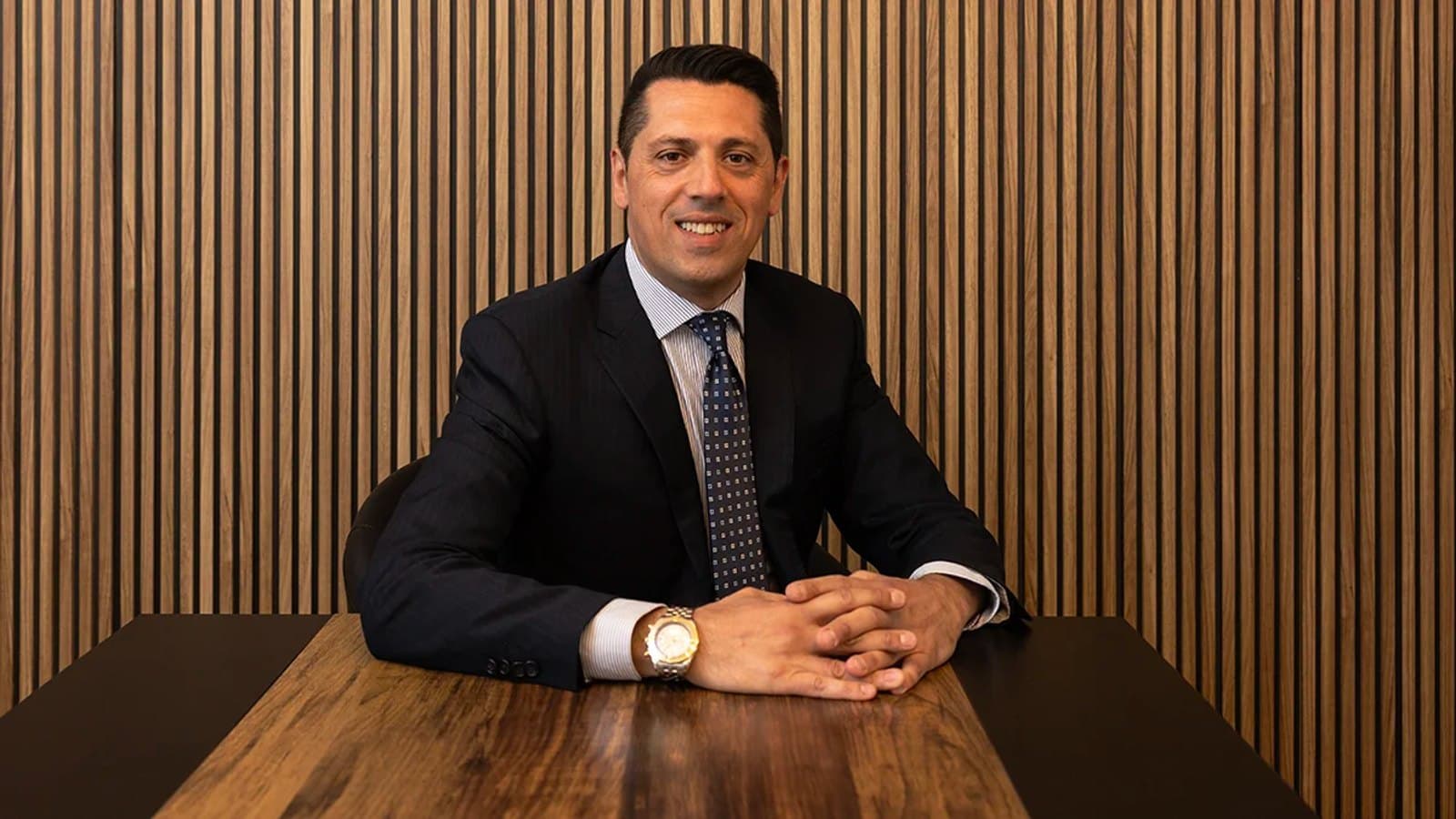
Mauro Povia, the founder and chief executive of Asset1 Invest, built his firm around a specific gap he says he kept seeing in Spanish business owners. They were skilled at generating capital and far less skilled at what came after, turning that capital into something durable. His core claim is blunt: for years, he says, people have confused investing with simply buying assets, and the difference between the two has nothing to do with which asset gets picked.
What separates the two, in Povia's framing, is structure. A long term strategy beats a series of one off deals. Spreading capital across multiple projects beats concentrating it in one. Reinvesting profits so compound growth can actually compound beats spending each return as it lands. None of that is exotic advice on its own, but Povia argues most entrepreneurs skip it anyway, deploying capital every four or five years in isolated bursts rather than on any kind of regular schedule, and doing it through whatever vehicle is convenient rather than one built for the purpose.
Asset1 Invest's own answer to that gap centers on real estate, treated as a stable base against a backdrop of technological disruption elsewhere in the economy, alongside infrastructure and energy as other real assets. The firm runs a co investment program that lets individual entrepreneurs buy into real estate projects at a structure normally reserved for large family offices, and it has built a members network, Club Asset1 Invest, where participants trade experience and access to deals rather than working entirely alone. ANRO Capital sits behind it as the parent investment entity.
What Povia is really selling is governance as much as access: an efficient corporate structure to hold assets in, and a discipline of putting capital to work on a regular rhythm rather than sporadically. Whether that discipline outperforms the more common approach of buying opportunistically is not something the firm has published figures on. The pitch is that most entrepreneurs never get the chance to find out, because they never built the structure in the first place.