Why Billionaires Are Spending Fortunes on Sports Teams
From the Lakers to Atletico Madrid, the world's biggest fortunes are pouring ever more money into sports club ownership, drawn by valuations breaking record after record and returns that now outpace the S&P 500.
Buying a sports team has become one of the favorite investments of the world's biggest fortunes. The Los Angeles Lakers sold this year for 12.5 billion dollars to Joshua Kushner and Bob Iger, 25 percent above the team's 10 billion dollar valuation just fourteen months earlier. The Seattle Seahawks changed hands for 9.612 billion dollars in a deal that set an all time NFL record, with Vinod Khosla's family leading the purchase.
The trend is not limited to American sports. A consortium led by Jeff Bezos acquired roughly a 30 percent stake in Liverpool FC in a deal valuing the club at 7.4 billion dollars, while the Minnesota Timberwolves and Lynx changed hands for 4.5 billion under Marc Stad's control. The San Diego Padres, meanwhile, now trade for around 3.9 billion dollars, far above the 800 million they cost in 2012.
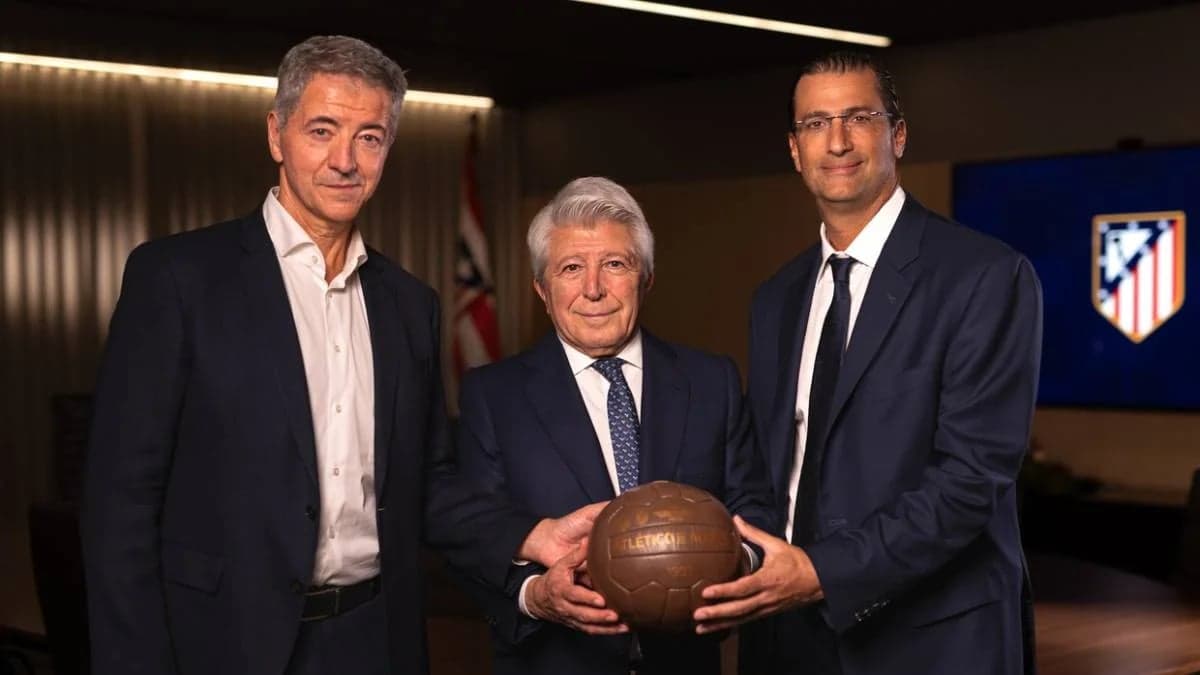
Spain has its own recent example in Atletico Madrid, where Apollo became the majority shareholder in a deal valuing the club at 2.5 billion euros, after injecting 57 million euros in a capital increase. The move places the Madrid club among the European teams that have opened the door to international institutional capital in recent years.
Behind this investor appetite are figures that back up the interest: US sports rights generated around 30 billion dollars in 2025, and sports franchise valuations have clearly outperformed the S&P 500 over the past decade, according to EY-Parthenon data. A recent JPMorgan report, based on more than a hundred large fortunes, found that 20 percent of respondents now hold controlling stakes in a team, up from just 6 percent in 2022, and that more than a third invest in stadiums or clubs, ahead of art at 23 percent and collectible cars at 10 percent.
Experts point to scarcity as one of the biggest draws: there are only 30 NBA franchises and 32 NFL teams, while in Spain, Real Madrid and Barcelona remain outside the market by keeping a member owned model. On top of that is the value of sport as live content, able to draw millions of viewers simultaneously at a time when media consumption is increasingly fragmented, along with the many revenue streams a club offers, from sponsorship and merchandising to international tours and proprietary content. Deloitte forecasts institutional capital will keep concentrating on elite leagues such as the NFL, NBA and Premier League, in search of the stability and predictable returns offered by their global reach and consolidated broadcast rights.