Sumar, the smaller left wing party that shares government with the Socialists, put a motion to Parliament on Wednesday asking Spain's sports institutions to reconsider co-hosting the 2030 World Cup with Morocco and Portugal. Its statement placed the request on human rights grounds, saying those institutions should reconsider a tournament shared with Morocco because human rights have to be defended.
The motion is non-binding, and Sumar holds 26 of the 350 seats in Parliament. On the arithmetic alone it changes nothing. What gives it weight is that Sumar is not an opposition party filing a protest: it holds ministerial posts in Pedro Sanchez's government, so this is one half of the coalition asking the other half to revisit a commitment the state has already made.
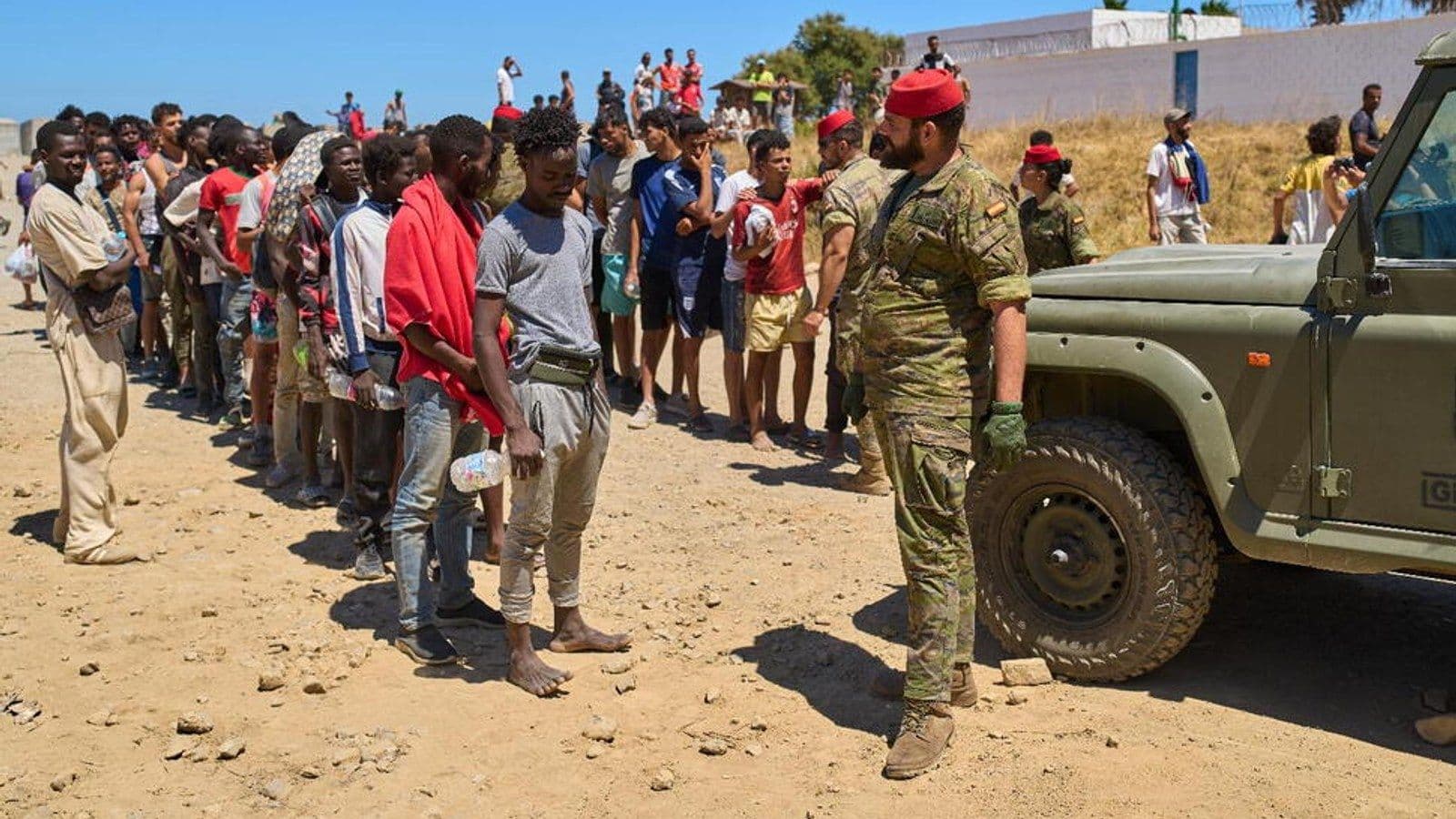
The trigger is Ceuta, where tens of thousands crossed from Morocco in the space of days. Spain's own account of that week put the blame on trafficking networks rather than on Rabat, and Morocco rejected responsibility outright. A motion of this kind reopens that question by implication, because it asks whether a country Spain is preparing to co-host a World Cup with is a partner it should be sharing one with.
It is not confined to Madrid. Livre, a small party in Portugal's parliament, wrote to Prime Minister Luis Montenegro and to the president of the Portuguese football federation asking for the same reassessment, and called the arrangement unsustainable after Ceuta. Two of the three European co-hosts now have parties in their legislatures asking the same question in the same week.
The practical prospect of any of this changing the tournament is close to nil. Hosting rights were awarded, infrastructure money is committed, and FIFA does not revisit a decision because a junior coalition partner has tabled a motion. What the motion does is make the migration crisis a problem for the World Cup file rather than only for the interior ministry, and that is a place where it is much harder to leave unanswered.