
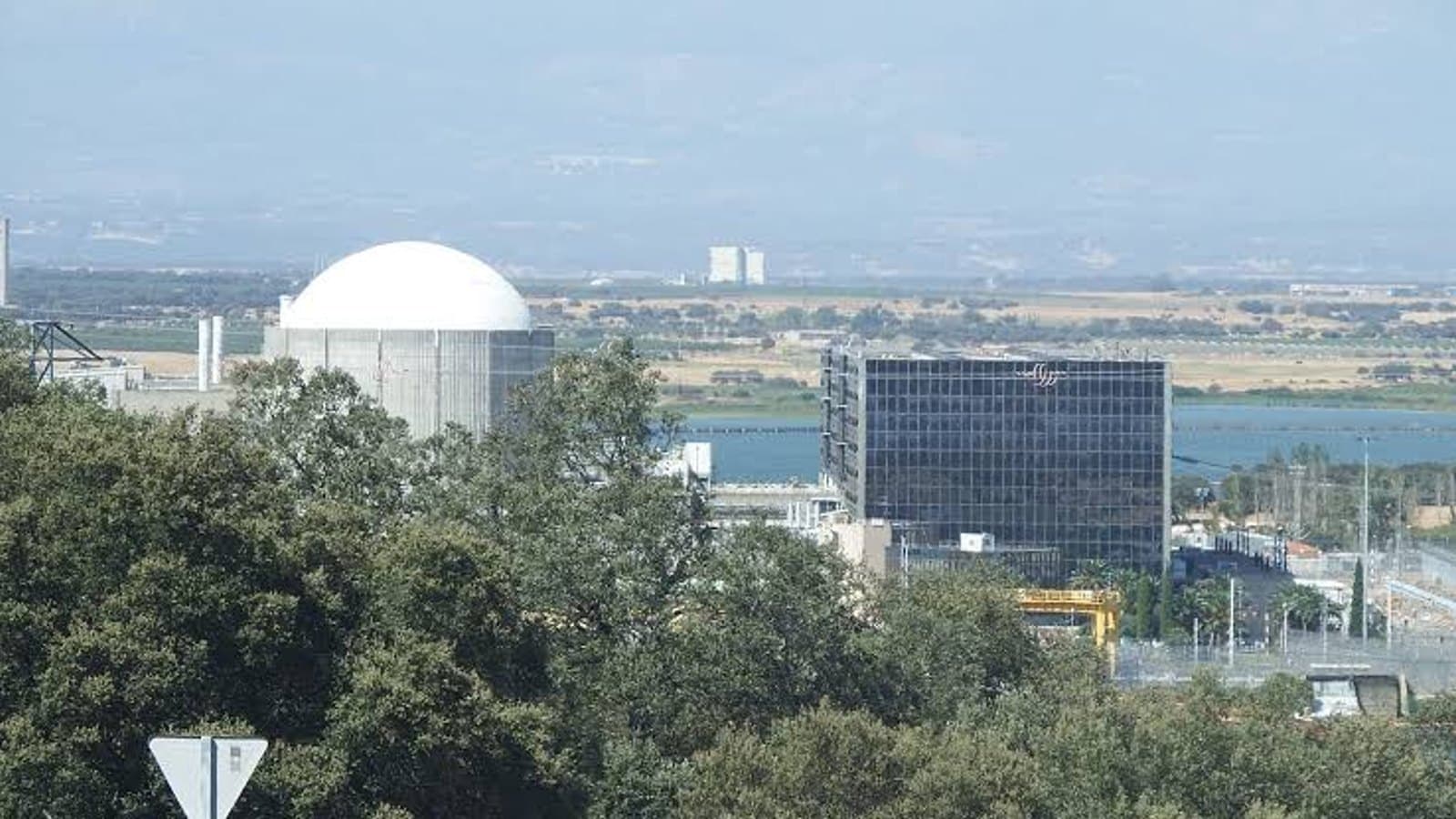
Spain's government has extended the operating life of the Almaraz nuclear plant to June 8, 2030, pushing back a closure that had already been agreed and scheduled. Under the original 2019 plan, the plant's two reactors were due to shut down in stages, the first in November 2027 and the second in October 2028. Both dates are now gone, replaced by a single new deadline three years later.
The reversal follows the blackout that hit the Iberian Peninsula in April 2025, an event that hardened the argument that Spain cannot afford to lose nuclear capacity while it is still building out renewables. That argument gained more weight from Brussels: the European Parliament's petitions committee criticized the original closure plan as ideological and lacking a technical basis, and European Commission president Ursula von der Leyen has publicly backed keeping nuclear plants running. Spain's own Nuclear Safety Council added the final piece on July 16, issuing a favorable report confirming Almaraz meets every safety condition needed to keep operating through 2030.
What is being kept running is not a marginal plant. Almaraz has generated more electricity over its lifetime than any other plant in Spain's history, and it currently supplies around 7 percent of the country's national electricity production, a share that would otherwise have to be replaced quickly on a tight timeline. The plant also employs roughly 4,000 people directly and indirectly in Extremadura, a region where those jobs carry outsized local weight.
The decision puts the coalition government at odds with commitments it made to its own left wing partners, Podemos and Sumar, who had backed the original phase out. It lands as a clear win for the citizens' platform Yes to Almaraz, Yes to the Future, whose president said the decision restores confidence to thousands of families, a description that captures how personal the plant's schedule had become for the region built around it, regardless of how the argument plays out in Madrid or Brussels.