Spain's economy grew 0.7 percent in the second quarter, according to the National Statistics Institute, up from a revised 0.6 percent in the first three months of the year. Annual growth stands at 2.7 percent. It is the twenty fourth consecutive quarter of expansion and the twenty first of year on year growth, which is a run long enough that it has stopped being news in itself.
What is new is where the growth came from. Domestic demand contributed 0.6 percentage points of the quarterly figure and external demand 0.1, and within domestic demand the striking line is investment rather than consumption. Gross fixed capital formation rose 0.4 percent on the quarter and 5.1 percent on the year, with investment in intellectual property products up 7.7 percent and construction up 5.2 percent.
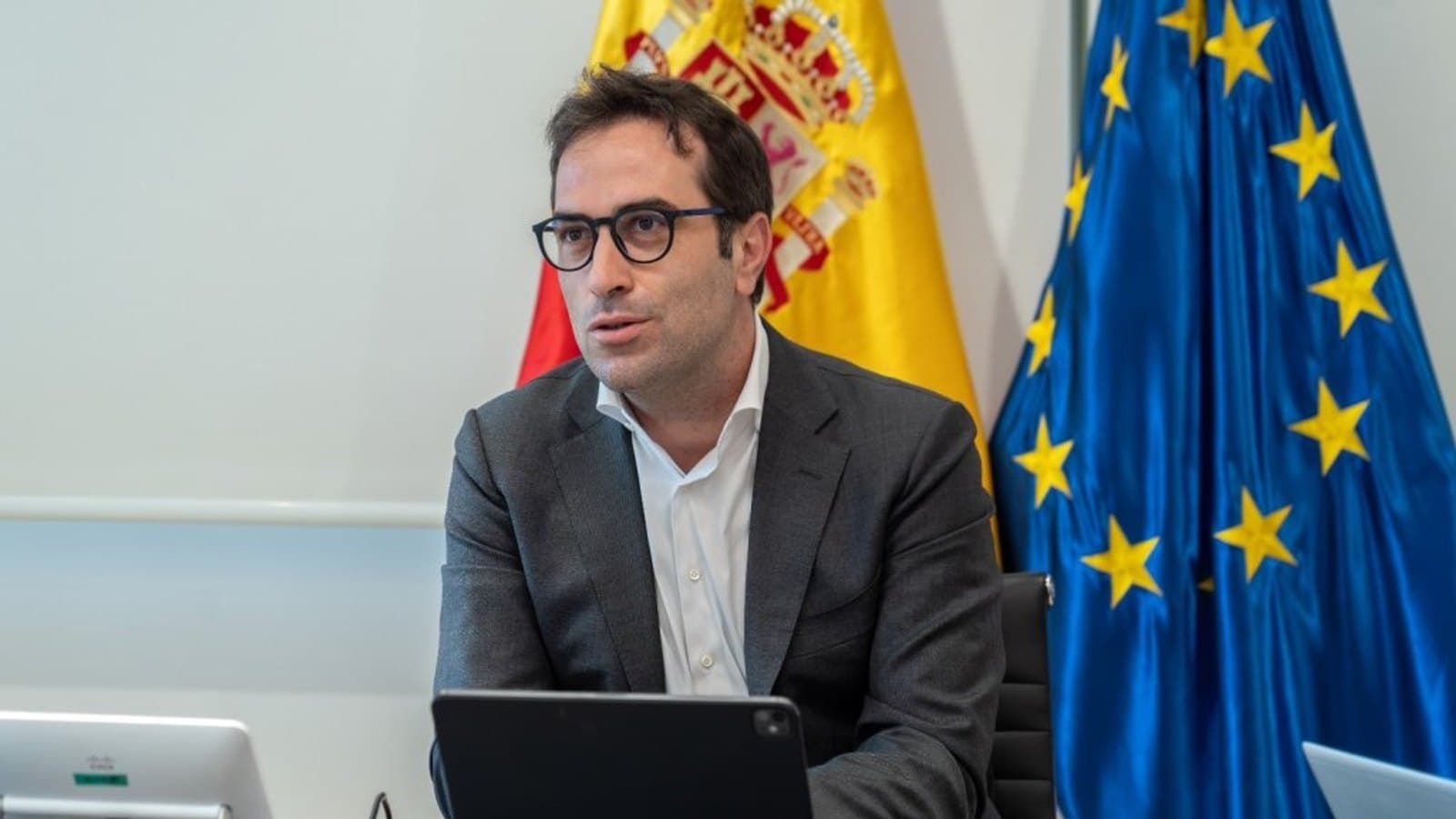
That matters because the criticism of Spain's recent performance has been that it is consumption and tourism wearing a growth label, and that a country adding workers will add output whether or not it is becoming more productive. Investment in intellectual property is the line that answers it. Economy Minister Carlos Cuerpo described the figures as solid growth driven by investment, which for once is a ministerial characterisation the composition supports.
Households have not stopped spending either. Consumption rose 0.7 percent on the quarter and 3.2 percent on the year, and employment stands at 22.6 million, with the economy adding around 500,000 jobs a year for six consecutive quarters. External demand subtracted 0.6 percentage points over the year, which is the cost of an economy growing faster than the markets it sells into.
Two and two tenths percent of accumulated growth in the first half keeps the government's full year target of 2.6 percent within reach, and comfortably above the Bank of Spain's more cautious 2.3 percent. The gap between those two numbers is the whole argument about how long this lasts, and the second quarter has handed the optimists the better evidence.